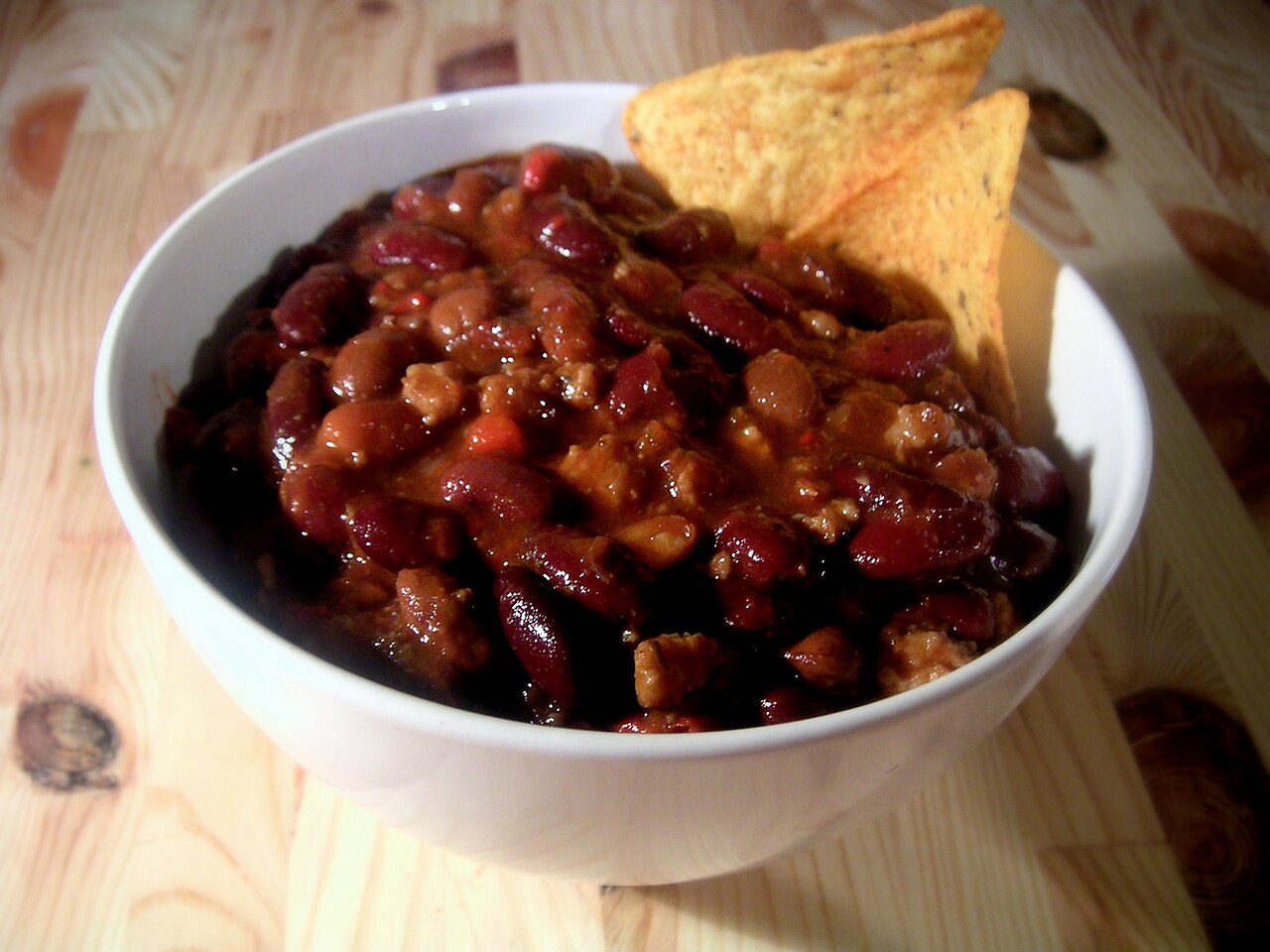
The Great Chili Debate: Homemade vs. Store-Bought Packets
Picture this: you're craving a rich, comforting bowl of chili, bubbling with savory goodness. You reach for a store-bought seasoning packet, hoping for that nostalgic flavor. But all too often, the result is... underwhelming. If you've ever felt like your chili was missing that special something, a certain depth or boldness, the secret might not be in your cooking technique, but in your spice blend. It's time to unlock the true potential of your chili with DIY Chili Seasoning: Pantry Staples for Bold, Filler-Free Flavor that consistently outperforms anything you can buy off the shelf.
The journey to truly spectacular chili begins with understanding why homemade chili seasoning is not just an alternative, but a superior choice. Gone are the days of settling for bland, one-dimensional flavors. By taking control of your ingredients, you embark on a kitchen revolution that promises a perfectly balanced, deeply satisfying chili every single time.
Unmasking the Mystery: Fillers, Preservatives, and Excess Sodium
One of the most compelling reasons to ditch the pre-packaged chili mixes is the hidden world of their ingredients. Store-bought packets, while convenient, often come loaded with more than just spices. Think anti-caking agents, mysterious "natural flavors," excessive sodium, and various fillers like maltodextrin or sugar. These additions dilute the potency of the actual spices, leading to a weaker flavor profile that forces you to use more product, ultimately costing you more and compromising the healthfulness of your meal.
When you craft your own homemade chili seasoning, you gain complete control over every ingredient. This means no mysterious preservatives, no unnecessary sugar spikes, and precisely the right amount of salt for your palate. This level of transparency not only ensures a cleaner, healthier dish but also allows the pure, vibrant flavors of each spice to truly shine, delivering an authentic taste that simply can't be replicated by a mass-produced blend.
The Flavor Frontier: Boldness vs. Blandness
Beyond unwanted additives, the primary downfall of many commercial chili seasonings is their inherent lack of depth and freshness. Spices begin to lose their potency the moment they're ground, and store packets can sit on shelves for months, if not years. The result? A blend that tastes stale, muted, and often disappointingly generic.
In contrast, a freshly mixed homemade chili seasoning bursts with aroma and flavor. It offers a complexity that professional chefs strive for – a harmonious balance of heat, earthiness, and subtle sweetness. This carefully curated blend enhances the savory notes of your meat and beans, making your chili taste slow-simmered for hours, even if it came together quickly. Once you experience the rich, nuanced flavor of a homemade blend, you'll understand why it consistently wins taste tests against even premium store brands.
Budget-Friendly Brilliance: Saving Cents, Gaining Flavor
Standing in the grocery aisle, that tiny $1.50 seasoning packet might seem like a small expense. However, when you consider that your pantry likely already holds every single spice listed on that packet – often in larger, more economical quantities – the true cost becomes apparent. Regularly buying individual packets adds up significantly over time.
Investing in a selection of quality bulk spices, especially staples like chili powder and cumin, is a far more cost-effective strategy in the long run. A single batch of homemade chili seasoning will cost a fraction of what you'd pay for multiple packets, yet it yields a superior product. This smart financial move allows you to create bold, comforting flavors for countless meals, from your classic chili to weeknight tacos, without breaking the bank.
Unlocking Deep Flavor: The Secret Behind Exceptional Homemade Chili Seasoning
So, what makes a homemade chili blend truly extraordinary? It's not just about fresh spices; it's about a thoughtful combination where each ingredient plays a specific role in building complex flavor layers. And at the heart of many award-winning homemade chili seasoning recipes lies an unexpected hero: unsweetened cocoa powder.
Cocoa Powder: The Unsung Hero of Depth
Don't let the idea of chocolate in chili alarm you! Just a small amount of unsweetened cocoa powder – typically a half teaspoon per batch – is the secret ingredient that elevates your chili from good to unforgettable. It doesn't make your chili taste like chocolate; instead, it acts as a savory enhancer. Cocoa powder contributes a subtle depth and a rich, slightly bitter note that mimics the complexity found in premium, long-simmered chilies. It rounds out the flavors, adds a beautiful deep color, and creates a restaurant-quality finish that will leave your guests wondering about your culinary secret. It's the ingredient that makes your chili taste like it's been simmering all day, regardless of how long it actually cooked.
Beyond Cocoa: Smoked Paprika's Smoky Embrace
While cocoa powder adds depth, other carefully chosen spices contribute their own unique characteristics to the perfect homemade chili seasoning. Smoked paprika, for instance, introduces a subtle smokiness that can transform your dish, evoking the warmth of a campfire meal. It’s an optional but highly recommended addition that provides another layer of complexity without overpowering the other flavors.
Other essential components, like robust chili powder, earthy cumin, pungent garlic powder, and onion powder, form the backbone of the blend. A touch of cayenne pepper or red pepper flakes allows you to dial up the heat to your preference, while a hint of oregano adds a classic herbaceous note. Each spice serves a specific purpose, working in harmony to create a symphony of bold, comforting flavor that defines an exceptional chili.
Your Kitchen Revolution: Crafting and Customizing Your Own Blend
Creating your own homemade chili seasoning is surprisingly simple and requires minimal equipment. The true power lies in the freshness of your ingredients and the ability to tailor the blend to your exact tastes. This is where you truly surpass any McCormick Copycat Chili Seasoning: Get Restaurant Flavor at Home and make it uniquely yours.
Sourcing Your Spices: Freshness is Key
The foundation of any great spice blend is the quality of its individual components. Always aim to buy spices from stores with high turnover, ensuring their freshness and potency. Larger grocery chains like Whole Foods, Target, or even well-stocked Walmart locations usually offer good options. Conversely, avoid dollar store spices; they often lack the essential oils that give spices their flavor and aroma, leaving your blend tasting flat.
For frequently used spices like chili powder and cumin, consider buying in bulk from warehouses like Costco. Storing them in airtight containers in a cool, dark pantry will help maintain their freshness for longer, making your investment even more worthwhile.
Essential Equipment (and Smart Substitutions)
You don't need fancy gadgets to whip up your own homemade chili seasoning. A small mixing bowl, a whisk, measuring spoons, and an airtight container for storage are all you truly need. If you don't have a complete set of measuring spoons, a regular teaspoon can work in a pinch, just be sure to level each measurement carefully for consistent results.
The Mixing Method: A Step-by-Step Guide for Flavor Fusion
- Gather & Arrange: Lay out all your chosen spices on your counter. This simple step helps prevent accidentally omitting an ingredient and ensures accuracy.
- Foundation First: Begin by adding your core spices – chili powder, cumin, and salt – to your mixing bowl. These form the backbone of your blend.
- Whisk to Perfection: Whisk these foundational spices thoroughly until they are evenly distributed. This is crucial for consistent flavor in every spoonful of chili.
- Layer in the Rest: Gradually add the remaining spices, including your secret ingredient, unsweetened cocoa powder, along with garlic powder, onion powder, oregano, smoked paprika (if using), and any cayenne pepper for heat.
- Final Blend: Continue whisking until all ingredients are perfectly combined and the mixture has a uniform color and texture.
- Store Smart: Transfer your freshly made homemade chili seasoning to an airtight container. Label it with the date, and store it in a cool, dark place for optimal freshness.
Mastering the Blend: Usage and Customization
As a general guideline, use about 3–4 tablespoons of your homemade chili seasoning per 1 pound of meat when making chili. However, this is just a starting point. The beauty of a homemade blend is its flexibility. Feel free to adjust the quantity based on how bold you prefer your flavors. Taste as you go, and don't be afraid to experiment to find your perfect balance of heat and spice. This versatile blend isn't just for chili; it also makes an excellent rub for roasted vegetables, a flavor booster for weeknight tacos, or a seasoning for ground meat.
Embracing the world of homemade chili seasoning is a total game-changer for any home cook. It's a simple, affordable switch that delivers incredibly bold, complex, and comforting flavors every single time. By understanding the pitfalls of store-bought packets and harnessing the power of fresh spices – especially that surprising touch of cocoa powder – you'll create chili that tastes slow-simmered and restaurant-quality, transforming ordinary meals into extraordinary culinary experiences. Make a batch today, and you'll wonder why you ever bothered with those packets.
